


As the days grow shorter and the clocks are about to change, autumn invites us to reconnect with our natural rhythms, reflect on our daily habits, and rediscover the importance of rest.
Autumn naturally encourages us to slow down. Mornings become cooler, daylight hours grow shorter, and evenings arrive earlier. While nature gradually settles into a quieter rhythm, our daily lives often remain just as busy and demanding. Between work, family responsibilities, and endless to-do lists, we rarely find a moment to truly pause.
Yet rest is just as important for our well-being as movement and physical activity. As the seasons change, it is worth considering whether our daily habits still support restful sleep, recovery, and overall well-being. Autumn offers an ideal opportunity to introduce small, meaningful changes and find a healthier balance between activity and rest.
When the clocks change, our bodies notice
On Sunday, 25 October 2026, clocks across most of Europe will go back one hour as daylight saving time comes to an end. Although we gain an extra hour of sleep that night, our bodies may still need some time to adjust to the new schedule.
Our bodies follow an internal biological clock known as the circadian rhythm. This regulates many essential processes, including sleep and wakefulness, body temperature, and the release of certain hormones. Natural daylight plays a particularly important role in keeping this internal clock in sync with our environment. When the clocks change, sunrise and sunset occur one hour earlier according to the clock, which can temporarily affect our sleep patterns and energy levels.
Some people adjust almost immediately, while others may experience increased tiredness, difficulty concentrating, or changes in sleep quality for several days. With autumn already bringing shorter days, reduced exposure to natural light can become even more noticeable, particularly for those who spend most of their time indoors.
Fortunately, a few simple habits can help our bodies adapt. Getting outside in the morning, maintaining consistent bedtimes and waking times, and reducing exposure to bright light in the evening are all effective ways to support our natural biological rhythm. Even a short morning walk provides valuable exposure to daylight, helping the body distinguish between times for wakefulness and rest.

The holistic perspective: Living in harmony with the seasons
Traditional approaches to health, including naturopathy, Traditional Chinese Medicine, and Ayurveda, emphasize the importance of aligning everyday habits with natural rhythms and seasonal changes. In Traditional Chinese Medicine, autumn is primarily associated with the lungs, large intestine, and the metal element. According to this tradition, the lungs play an important role in breathing and the body's defensive energy, making autumn a season when particular attention is given to them. Ayurveda associates autumn with the vata dosha, characterized by qualities such as coldness, dryness, movement, and lightness. Both traditional systems therefore emphasize the importance of warmth, a regular daily routine, balanced nutrition, and rest during this time of year.
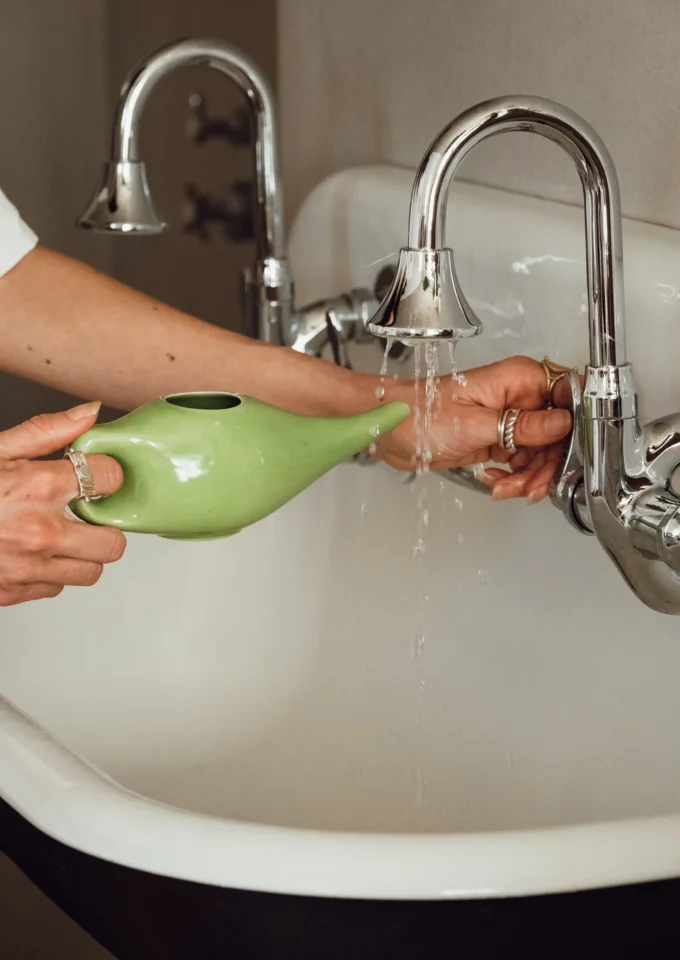
Naturopathic approaches also often place greater emphasis on respiratory health, mucous membranes, and the body's natural defenses during autumn. As colder weather arrives and the heating season begins, indoor air often becomes drier, which can lead to dryness and irritation of the mucous membranes in the nose and throat. Mucus plays an important protective role by trapping inhaled particles and microorganisms and helping remove them from the respiratory tract. This is why staying well hydrated, maintaining appropriate indoor humidity, ventilating rooms regularly, and spending time outdoors are particularly important. Warm drinks and soups can also provide comfort while contributing to adequate fluid intake.
Although the association of specific organs with particular seasons comes from traditional healing systems rather than scientifically established explanations of organ function, this perspective encourages us to become more aware of changes in our environment and how we feel. As the days grow shorter, we may naturally prefer warm, nourishing meals, quieter evenings, and a slightly slower daily pace. Simple seasonal habits, such as preparing meals with seasonal vegetables, spending time outdoors in natural daylight, practising mindful breathing, and maintaining a consistent evening routine, can make a meaningful contribution to our overall well-being.
From a holistic perspective, rest is not simply the absence of activity. It also means being able to recognize the body's need for recovery and adjust our daily rhythm accordingly. Autumn is therefore an ideal time to pay greater attention to breathing, quality sleep, and moments of calm that we often overlook in the rush of everyday life.
Why our nervous system needs moments of calm
Modern life exposes us to an almost constant stream of stimulation. Work responsibilities, digital devices, endless notifications, and everyday concerns often make it difficult to truly switch off, even after the working day has ended. Prolonged tension can affect the body, influence our mood, and make it harder to relax in the evening.
The autonomic nervous system regulates many essential bodily functions that operate without conscious control. Its sympathetic branch helps us respond to stress and challenges, while the parasympathetic branch supports processes associated with rest, digestion, and recovery. Both are essential for healthy functioning, yet in our busy daily lives, we often overlook the importance of making time to unwind.
Research suggests that slow, relaxed breathing and relaxation techniques may help reduce perceived stress and encourage physiological responses associated with calm. The practice itself is important, but so is the environment in which we practise. A peaceful space, fewer external distractions, and a little time free from obligations can create favourable conditions for relaxation.
This is why yoga can be such a valuable part of our daily routine. Rather than becoming another task on our to-do list, it offers an opportunity to reconnect with the body, release unnecessary muscular tension, and gradually quiet the mind.
The restorative power of Iyengar yoga
In Iyengar yoga, yoga props play an essential role. Bolsters, blankets, blocks, and other supports help us establish proper alignment and adapt asanas to individual needs and abilities. They are particularly valuable in restorative practice, allowing us to remain in postures for longer periods without unnecessary muscular effort.
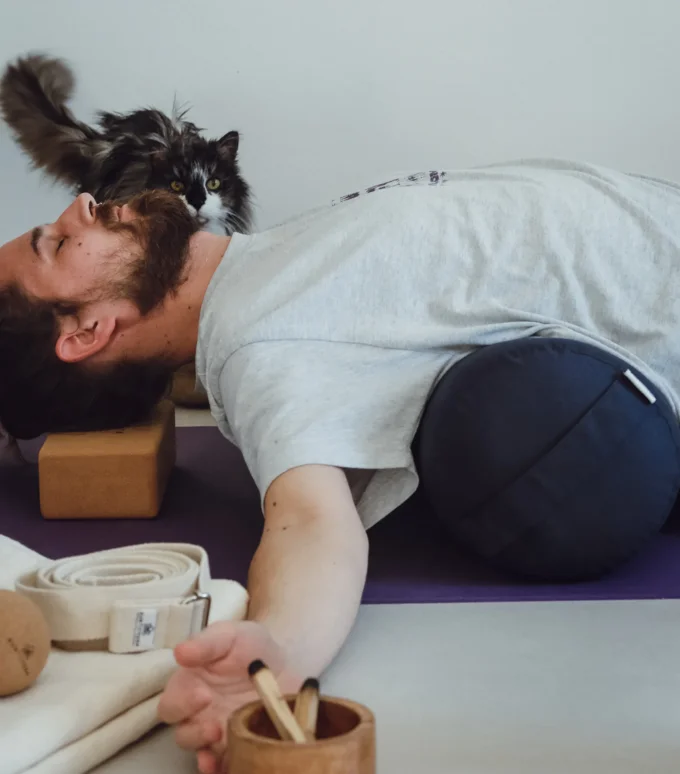
In a supported reclining posture, for example, a bolster can support the back while a folded blanket provides appropriate support for the head. This helps create space across the chest, allowing the shoulders, neck, and back to gradually relax. When the body is properly supported, we can shift our attention away from physical effort towards the natural movement of the breath and the subtle sensations within the body.
However, restorative practice is not simply passive relaxation. In Iyengar yoga, even the simplest asana offers an opportunity to develop awareness. We learn to recognize where we hold tension, observe how the body responds to support, and remain attentive without constantly moving or adjusting our position.
During autumn, when many of us feel the need for a gentler pace, restorative asanas can provide a welcome balance to more active forms of practice and the demands of everyday life. Even a few minutes in a well-supported posture can help us make a comfortable transition from a busy day to a quieter evening.
Pranayama: Creating space for the breath
Pranayama, the yogic discipline of conscious breath regulation, holds a special place in the Iyengar yoga tradition. Although it encompasses various breathing techniques, the practice begins with careful preparation of the body, developing awareness, and learning to observe the natural breath without unnecessary effort.
In Iyengar yoga, we emphasize that the position of the body has a significant influence on the freedom and quality of breathing. When the spine is properly supported, the chest is open, and the muscles of the face, neck, and shoulders are relaxed, it becomes easier to notice the subtle movements that accompany inhalation and exhalation.
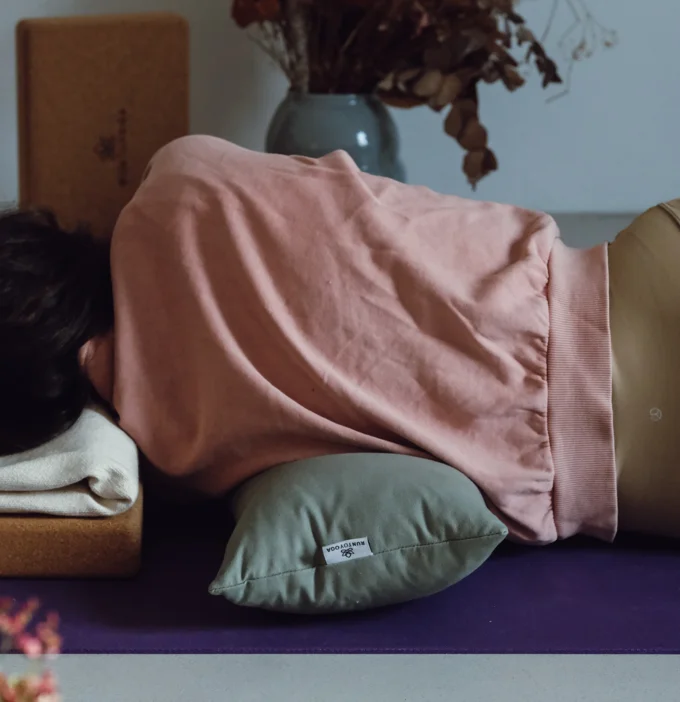
For beginners, a supported reclining position can be an excellent introduction to breath awareness. A Pranayama Pillow or carefully folded blankets can provide the necessary support beneath the upper back or head, depending on the chosen position and individual needs. Once comfortably settled, we can direct our attention to the natural rhythm of breathing, observing how the ribs expand during inhalation and gently release during exhalation.
There is no need to deliberately deepen the breath, lengthen the exhalation, or hold the breath. The first step is simply to observe, without forcing or controlling. Through regular practice, we develop a more refined awareness of the breath and create moments of concentration that can benefit us beyond the yoga mat.
A simple 10-minute autumn evening ritual
Creating a calming evening routine doesn't require much time or elaborate preparation. Just a few minutes dedicated to yourself can help create a pleasant transition between the demands of the day and a restful evening. The following ritual combines a peaceful environment, natural breath awareness, and relaxation in a supported posture.
1. Prepare your space (2 minutes)
Start by creating a calm and comfortable atmosphere. Dim the lights, put your phone aside, and allow yourself a few moments away from everyday responsibilities. If you enjoy herbal teas, prepare a cup of chamomile or lemon balm tea. Over time, this simple habit can become a comforting evening ritual that marks the end of a busy day.
2. Settle down and observe your breath (3 minutes)
Find a comfortable seated or supported reclining position. If needed, use a Pranayama Pillow or a folded blanket to provide appropriate support. Relax your shoulders and facial muscles, and bring your attention to the natural movement of your breath. Notice how the chest gently expands with each inhalation and softens with each exhalation. Rather than trying to change or control your breathing, simply remain calm and attentive.
3. Relax in Savasana (5 minutes)
Lie down in Savasana, the relaxation posture traditionally practised at the end of a yoga session. Make sure your body is comfortably positioned, using a folded blanket beneath your head or support under your knees if necessary. Gently place an Eye Pillow over your closed eyes to reduce visual stimulation and encourage a sense of calm. Allow the muscles around your eyes, jaw, and forehead to soften while your breath continues naturally.
Remain in the posture for a few minutes, keeping your awareness on your body and breath. When you are ready to finish, remove the Eye Pillow, gently turn onto one side, and gradually come up to a seated position. Before continuing with your evening, take a moment to notice how you feel.
Making more time for rest
One of the most valuable lessons of yoga is that awareness develops through regular, attentive practice. Just as we make time for movement, work, and everyday responsibilities, we can learn to dedicate time to relaxation and recovery. These practices don't need to be long or complicated. What matters most is making them a consistent part of our daily lives.
At RunToYoga, we believe that carefully selected yoga props can make practice more comfortable and accessible. Our Pranayama Pillow provides support during breathing practices and selected restorative postures, while the Eye Pillow gently covers the eyes during Savasana and relaxation. Both can become valuable companions in establishing a regular home practice.
As autumn moves towards the colder months and evenings grow longer, we have a wonderful opportunity to reconsider our daily habits. By spending more time outdoors in natural daylight, enjoying regular, nourishing meals, and making space for conscious breathing and rest, we can approach the coming months with greater calm and awareness.
Making time for rest is not a luxury reserved for days off. It is an essential part of caring for ourselves throughout the year.
Discover our Pranayama Pillow and Eye Pillow at RunToYoga and create a comfortable space for your daily practice.